
Living Well With Diabetes: Why Your Feet Deserve Expert Care
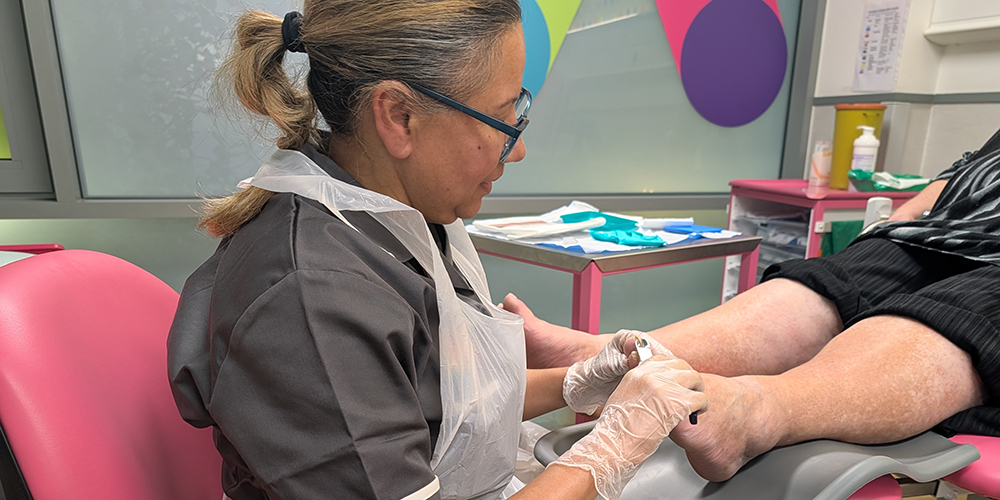
How diabetes affects your feet
Diabetes can affect the feet in two significant ways: through neuropathy (nerve damage) and peripheral arterial disease (reduced blood flow). Neuropathy means you may not feel pain, or pressure normally – so injuries or pressure points can go unnoticed. Reduced circulation means wounds take longer to heal and are more prone to infection. Together, these factors mean that something minor for most people can become something serious if left unattended.
Warning signs to take seriously
- Any new wound, blister, corn or callus – however small
- Areas of redness, warmth or swelling
- Numbness, tingling or a ‘dead’ feeling in the feet or toes
- Colour changes: pale, red or mottled skin
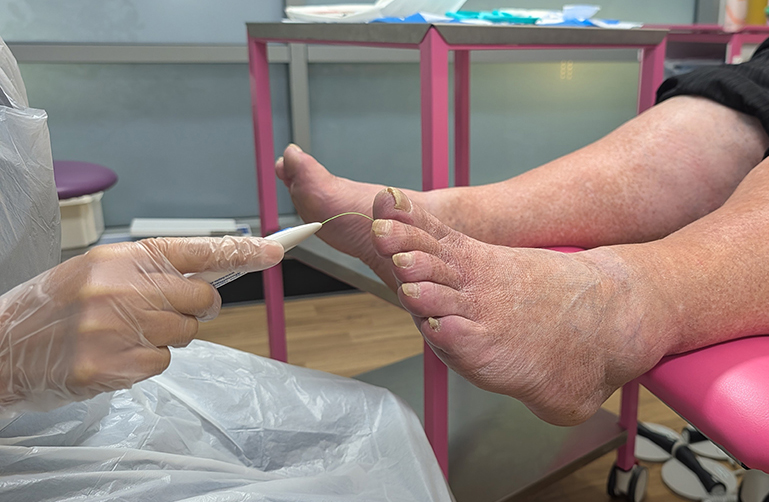
- Thickened, discoloured or crumbling toenails (possible fungal infection, which is common in people with diabetes)
- Pain in the feet or legs, especially at rest or at night
The case for regular podiatry
Clinical guidelines (NICE) recommend that all people with diabetes have a structured foot examination at least once a year, and more frequently if risk factors are present. Evidence consistently shows that regular podiatric care reduces hospitalisation and dramatically lowers amputation rates. A podiatrist can assess nerve function and circulation, treat nails, corns and calluses safely, give footwear advice and orthotic recommendations if needed, and give you a clear understanding of how to look after your feet day to day.
Simple daily habits that make a real difference
- Check your feet every day – use a mirror to see the bottom of your feet
- Wash feet and dry thoroughly, especially between the toes
- Moisturise daily, but not between the toes
- Wear well-fitting footwear and check inside shoes before putting them on
- Never walk barefoot, even indoors
- Never attempt to cut corns or calluses yourself
The emotional weight of living with diabetes
Managing a chronic condition is tiring – and worrying about your feet can add to that burden. Some of our patients tell us that regular podiatry appointments reduce their anxiety: knowing their feet are being properly monitored gives them one less thing to worry about. We understand that, and it’s something we take seriously.
Why Accelerate CIC for diabetic foot care?
Accelerate CIC is a social enterprise with specialist expertise in wound care, lower limb health and complex conditions. Our podiatry team is embedded with the clinical nursing teams – meaning if a wound does develop, you’re already in the right place. As a CIC, any surplus from our private work goes back into community health services.
If you haven’t had a diabetic foot assessment this year, now is the time. Book a private consultation at Accelerate CIC – call 020 3819 6022 or email hello@acceleratecic.com.
Common questions
Q: How often should someone with diabetes see a podiatrist?
A: At minimum, once a year for an assessment. If you have neuropathy, circulation issues or a history of foot problems, ulceration or amputation, more frequent visits and monitoring are recommended.
Q: My feet don’t hurt – do I still need to come?
A: Yes. Neuropathy means you may have lost sensation, so pain is not a reliable indicator. Clinical assessment identifies the level of neuropathy you might have and you will be given targeted advice around this as required.
Q: Can I use this alongside my NHS diabetes care?
A: Absolutely. Many patients use private podiatry care to supplement NHS care – for more frequent monitoring, faster access or more time with a clinician