
Heel Pain, Swollen Ankles, Thickened Nails: Are Your Feet Are Trying to Tell You Something?
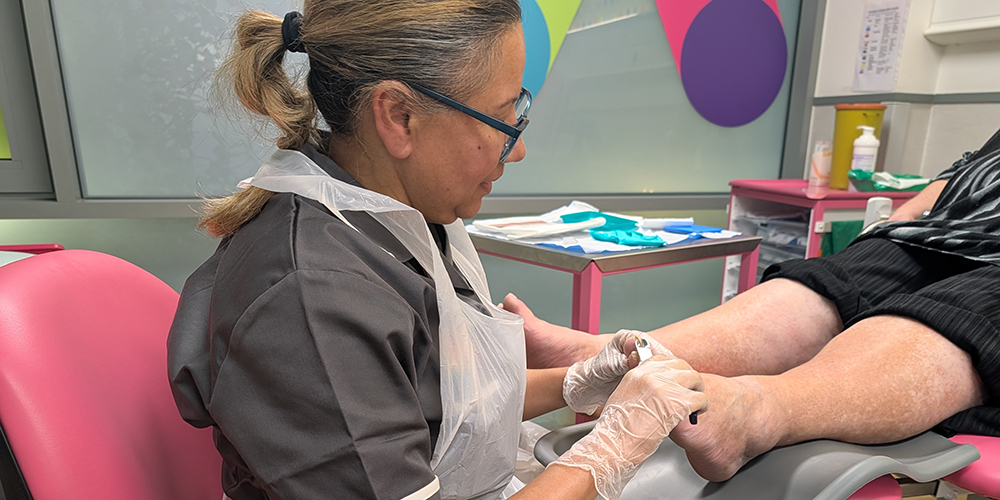
“It’s just one of those things.” That’s what most people say about their feet. A bit of heel pain in the morning. Ankles that look puffy by evening. A toenail that’s been thickening for months. An embarrassing patch of hard skin that keeps coming back. These things get pushed down the list – until they can’t be ignored any more. But here’s what we see every day at Accelerate CIC: most of those “one of those things” have a cause, and most of them have a solution.
Why your feet are worth paying attention to
Your feet bear your full body weight with every step and are closely connected to your circulation, skeleton, muscles, nervous system and overall health. When something isn’t right elsewhere in the body – circulation, blood sugar, lymphatic drainage – the feet can be the first place it shows.
Signs it’s time to see a podiatrist
- Swelling in one or both feet or ankles that doesn’t go down overnight
- Persistent heel pain or arch pain, especially first thing in the morning
- Numbness, tingling or burning in the toes or feet
- Skin changes: unusual dryness, build-up of hard skin
- Toenails that are thickening, changing colour or crumbling – possible signs of a fungal infection
- A verruca (plantar wart) that is spreading, painful or has been present for more than a few months
Fungal nail infections and verrucae – more common than you think
Fungal nail infections affect a large portion of the population and are often dismissed as cosmetic. If left untreated, they can spread and become painful. Verruca’s (plantar warts) are similarly common, particularly in those who use public pools or gyms, and can be stubborn and uncomfortable if not treated correctly. Both can be addressed with the right professional care.
The emotional side of foot problems
Foot problems don’t just affect how you walk – they affect how you feel. Painful or unsightly feet can lead people to avoid social activities, stop exercising and gradually withdraw from the things they enjoy. We regularly see patients who have been quietly managing embarrassment or discomfort for years before coming to see us.
When to act quickly
If you live with diabetes, any wound, blister, skin change or new numbness warrants prompt professional attention. People with diabetes are at higher risk of nerve damage and reduced circulation, meaning small issues can escalate quickly. Clinical evidence shows that including a podiatrist in diabetes care can reduce the risk of foot complications.
About Accelerate CIC
Accelerate CIC is a social enterprise, which means any surplus from our private podiatry service goes directly back into delivering better care, not into shareholder pockets. When you book a private appointment with us, you’re also supporting the wider community health work we do. We think that’s worth knowing.
What to expect at your first appointment
Your initial consultation is a conversation as much as a clinical assessment. We’ll take a full history, examine your feet, skin and nails, check your circulation and sensation, and talk through what we find. Most patients leave with a clear picture of what’s going on and a plan for what happens next. The appointment takes around 45 to 60 minutes and there’s no pressure to commit to further treatment on the day.
Ready to find out what your feet are telling you? Book your initial private consultation with our podiatry team at Accelerate CIC, based in Hackney, East London. Call 020 3819 6022 or email hello@acceleratecic.com.
PRIVATE PODIATRY SERVICES AT ACCELERATE CIC
Common questions
Q: How much does an initial podiatry consultation cost?
A: Please contact us directly for our current private pricing – we’re happy to talk you through what’s involved before you book.
Q: Do I need a GP referral?
A: No. You can book directly with us as a private patient.
Q: How quickly can I be seen?
A: We aim to offer appointments with a short wait. Get in touch and we’ll let you know our current availability.