
The Lymphoedema Catch-22: When everyone agrees care is needed, but nobody funds the solution
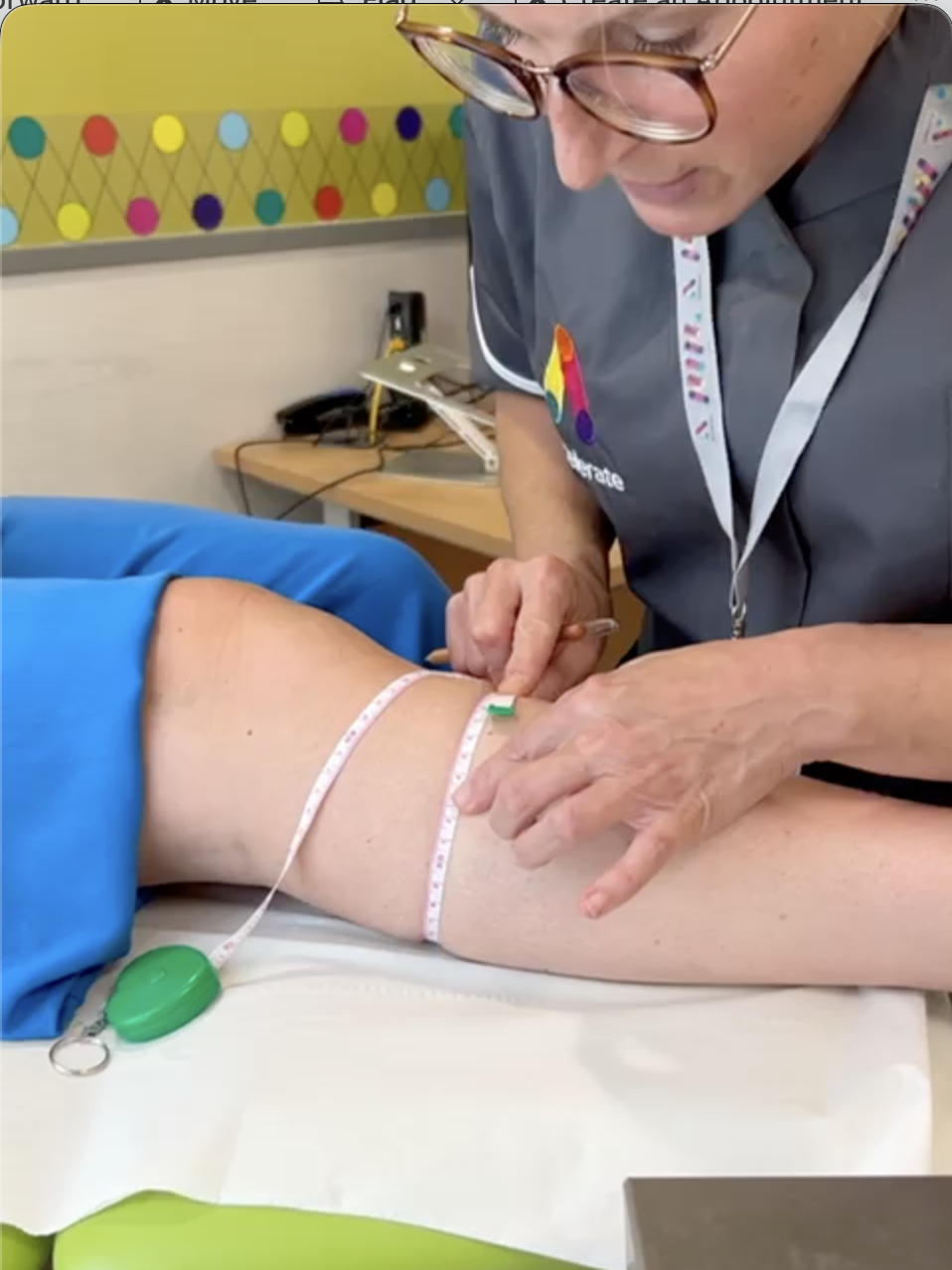
Lymphoedema is one of the most common long-term health conditions that most people have never heard of. Despite affecting hundreds of thousands of people across the UK, access to specialist lymphoedema services remains inconsistent, with many patients facing long waits, long journeys, or no local service at all.
The consequences are significant. Without timely assessment and treatment, lymphoedema can progress, leading to increased swelling, reduced mobility, skin changes, pain, psychological distress and a higher risk of cellulitis. Yet despite the known benefits of early intervention and ongoing education and self- management, many people struggle to access the specialist support they need.
A Growing Need, But Unequal Access
For many people living with lymphoedema, the journey to receiving care is frustrating. Some areas have well-established specialist services, while others have little or no provision. This postcode lottery means that access to care often depends more on where someone lives than on their clinical need.
At the same time, healthcare providers are facing unprecedented pressures. Workforce shortages, increasing demand and constrained budgets make it difficult to establish new specialist services, even when the need is clear.
As a result, people with lymphoedema can find themselves trapped in a system that recognises the problem but lacks the capacity to provide the solution.
The Funding Paradox
Recognising the significant unmet need, Accelerate Health CIC recently applied for approximately £10,000 in Lottery funding to support the initial development work needed to work in a small area to educate teams and make a case to establish new services.
The application was unsuccessful.
The rationale was understandable: lymphoedema care should be funded and provided by the NHS.
We agree.
The challenge is that while the principle is correct, the reality for many patients is very different.
The NHS absolutely should provide equitable access to lymphoedema services. However, while NHS funding decisions, commissioning discussions and service planning continue, people are living every day with a condition that often remains under-recognised and under-supported.
This creates a frustrating Catch-22.
Funding bodies may be reluctant to support service development because lymphoedema care is considered an NHS responsibility. Meanwhile, NHS organisations may lack the capacity, expertise or resources to establish services without additional support. The result is that the gap remains, and patients continue to wait.
The Cost of Doing Nothing
When lymphoedema is not managed effectively, it rarely stays static.
Swelling can worsen over time, becoming more difficult and costly to treat. Daily activities can become challenging, affecting employment, social participation and overall quality of life. Importantly, unmanaged lymphoedema is associated with an increased risk of cellulitis, a potentially serious skin infection that often results in emergency treatment and hospital admission.
Many of these admissions could potentially be avoided through effective lymphoedema management, education, skin care, compression therapy and ongoing support. Investing in early intervention is not only better for individuals living with the condition but can also reduce demand on already stretched healthcare services.
A Different Approach
At Accelerate Health CIC, we believe there is another way.
As a mission-led Community Interest Company, our goal is not simply to identify gaps in care but to help fill them. We have been developing a model that would enable healthcare providers to establish lymphoedema services using existing resources wherever possible.
Rather than expecting organisations to build entirely new teams from scratch, our approach focuses on:
- Training and developing existing healthcare staff.
- Providing specialist clinical expertise via our virtual MultiDisciplinary Team Meeting for the most complex of cases
- Supporting service design and implementation.
- Assisting with data collection, evaluation and outcome measurement.
- Helping organisations embed sustainable lymphoedema care pathways.
- Building local capability so services can grow and develop over time.
The aim is simple: make specialist lymphoedema care more accessible by helping providers develop services that are practical, sustainable and affordable.
Keeping Patients at the Centre
At the heart of this issue are real people.
People who are trying to manage worsening swelling. People who experience repeated episodes of cellulitis. People who are told there is no local specialist service or worse that nothing can be done to improve their symptoms. People who know that support exists elsewhere but cannot access it in their own community.
The debate should not be about who ought to provide lymphoedema services. It should be about how we ensure that people receive the care they need now, before their condition deteriorates further.
Moving Forward
Accelerate Health CIC remains committed to working collaboratively with healthcare providers, clinicians, commissioners and patient groups to improve access to lymphoedema care.
The expertise exists. The evidence exists. The need certainly exists.
What is needed now is the willingness to support innovative approaches that help bridge the gap between aspiration and reality.
Because while discussions continue about who should fund lymphoedema services, people living with the condition cannot put their lives on hold.
And that is the real Catch-22: everyone agrees care should be available, yet too many people are still unable to access it.
Accelerate Health CIC is a mission-led Community Interest Company working to improve access to specialist lymphoedema care through education, service development, clinical expertise and collaboration with healthcare providers across the UK. To find out more visit: www.acceleratecic.com